Showing posts with label Chemical Stress. Show all posts

Sunday, January 23, 2011

Pain killers, help or harm?

image from here
A Swiss literature review has found that people who take painkillers regularly, such as those who take it for chronic pain of conditions such as arthritis,  double or even treble their risk of heart attack and stroke.
In response to these findings Professor Peter Weissberg, medical director at the British Heart Foundation, was quoted as saying:
"This confirms what has been known for some years now: taking non-steroidal, anti-inflammatory drugs on a regular basis increases heart attack or stroke risk. However, some patients with debilitating joint pains may consider the small increased risk worthwhile when set against the improvement in their quality of life that these drugs bring." 

Wednesday, January 12, 2011

Not so sweet

image from here
The other night I flipped over to Food Additives: An Edible Adventure on SBS, a documentary hailing the wonders of food additives. Difficult though it was to hold myself back from screaming at the television (mental note: sell tv) I did watch the full episode and would be interested in seeing others in the series. Even though Stefan Gates did gloss over a huge amount of not so glowing evidence about food additives, he did touch on one very interesting piece of evidence about artificial sweeteners. The brain and body can tell the difference between artificial sweeteners and sugars.This is because although the artificial sweeteners bind to the same receptors on the tongue, they do not stimulate the same reward centers in the brain and sugar does. Also when artificial sweeteners are broken down by the body they do not release the same amount of energy as sugar does. The body is very smart, when we eat something sweet the brain expects there to be a sudden burst of energy, but alas, with artificial sweeteners there is none. So what does the body do? It must seek this energy from somewhere else and thus your body will make you more hungry so you will consume more food to get that extra energy it feels it has been deprived of. Add this to the detrimental health effects of artificial sweeteners and a case "for" artificial sweeteners seems a little thin. Mother nature 1, Scientist: 0.

Friday, December 10, 2010

Surviving the silly season the third

image from here
Over indulging is what Christmas is all about right? It's a time where all healthy eating goes out the window and come new year we're full of silly season remorse, swearing never again. Well this year there are a few things you can do to minimise your holiday hangover. We've already talked about food and drink now comes
Chapter 3: Suppliments

Wednesday, December 8, 2010

Monday, December 6, 2010

Surviving the silly season the first

image from here
Being one of my favourite things, of course I'm going to start with:
Chapter one: Food
  1. Skip the deep fried finger food and stick to the fresher options such as sushi and cold rolls
  2. Avoid the carby potatoes and such with your turkey and ham and save those up for pudding and cake! (Christmas is also a great time to try out gluten free baking as many recipes lend themselves to substituting flour for almond meal)

Tuesday, November 30, 2010

Sweet Tooth

image from here
Sugar isn't good for you, but do you know what's worse? Artificial Sweetners. Aspartame (a common  artificial sweetner) is used in “sugar-free” products such as diet soft drinks and chewing gum. Since its discovery is 1965 it has been shown to cause several serious diseases such as: brain tumors, headaches, memory loss, seizures, liver disease, hearing loss, dizziness and cancer. It also worsens or mimics the symptoms of diseases and conditions such as fibromyalgia, MS, diabetes, Alzheimer’s, chronic fatigue and depression. Such a dangerous chemical, yet it is found in so many processed foods on our shelves today. Yet another reason to read those ingredient lists carefully.

Sunday, November 28, 2010

Heart Health

image from here
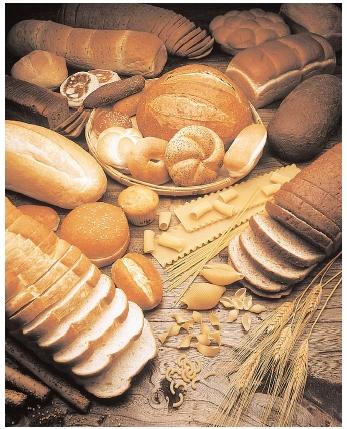
In case you didn't get the memo, I'm not a big fan of carbs. And guess who else back me up on this? The Italians. Yep those spaghetti eating, pizza inventing, cannoli lovers have done some research that showed women who have a diet high in refined white carbohydrate rich foods such as bread, rice and pasta are 2.25 times more likely to develop heart disease than their carb dodging counterparts. Good news for men though, the study found that men don't appear to have the same like between carbs and heart disease, bad news is men still have a higher rate or heart disease and death resulting from it than women. Still, heart health, yet another reason to put down that slice of toast.

Thursday, November 18, 2010

Cave men can cook

Image from here
What's not to love about prehistoric man? He's ruggedly handsome, a burly protector and he can prepare you the freshest, healthiest meal ever. An American study has shown that consuming a  paleolithic type diet similar to our preagricultural hunter-gatherer ancestors is good for us. A paleolithic diet is made up of lean meat, fruits, vegetables and nuts, and excludes nonpaleolithic foods, such as cereal grains, dairy and legumes. After just 10 days of this diet, researches found subjects had decrease blood pressure, improved glucose tolerance, decreased insulin secretion, increased insulin sensitivity and large and significant decreases in cholesterol, lipoprotiens and triglycerides. Who knew Early Man was sexy and smart! 

Friday, November 5, 2010

Dairy and Calcium

image from here
"If I don't eat dairy, how will I get Calcium for my bones?"
A common question I get asked.
Now a small amount of organic dairy is not too bad for you, for example I would choose real butter over margarine any day (I trust cows more than I trust scientists) but too much of anything (other than green vegetables) is not good for you.
But lets look at dairy and its claims to being so benificial to health.

Thursday, November 4, 2010

Carbohydrates

image from here
Now that I have explained the problems behind the modern day food pyramid, I wanted to answer some of the questions I get asked about the food "pie" I advocate to my patients.
First up is Carbohydrates. Or more correctly, Complex/Produced/Starchy Carbohydrates. Lots of vegetables such as carrots have a decent amount of carbohydrates as well, but I'm not so concerned about them.

Wednesday, November 3, 2010

Tales of the misunderstood: Low Fat Diets

Image from here
Low Fat, is there any other word combination I hate more? I think not. The idea of decreasing your fat intake is based on the lipid hypothesis which states that a high fat diet is the major contributor to cardiovascular disease. This idea was based on poor scientific evidence from the start and in recent years has been heavily criticized (for an informative and funny look at the situation, watch the documentary Fat Head).

Wednesday, October 27, 2010

Superfood: Watercress

image from here
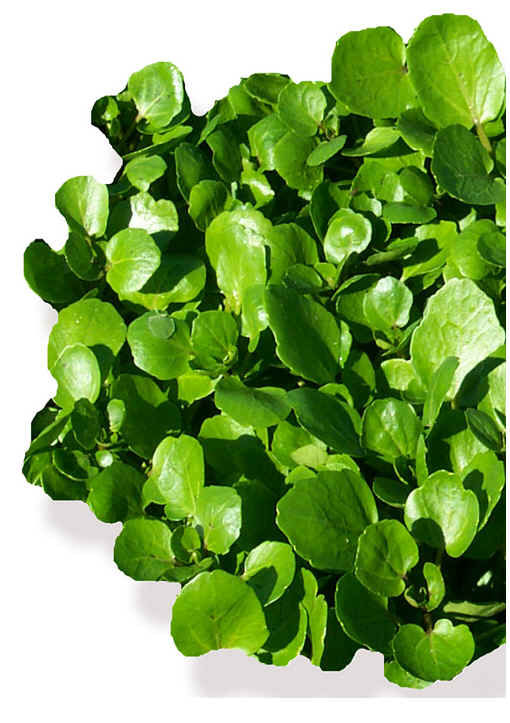
Watercress is an underrated herb in more ways than one. Recent studies show that watercress is packed with a natural plant compound called phenylethyl isothiocyanate (PEITC). With a name that complicated it has to do something good for you! PEITC is an anti cancer compound that works by turning off a protein called Hypoxia Inducible Factor (HIF). HIF is produced by cancerous tumors causing surrounding normal tissues to grow new blood vessels into the tumor, providing the cancer with
oxygen and nutrients. This protein plays a critical role in the development and spread of breast and other cancers. And just 80g of watercress is packed full of cancer fighting PEITC goodness, so get into it! To help you get started here is a fantastic watercress pesto recipe to try, serve it with grilled fish for extra cancer fighting powers.

Friday, October 8, 2010

Food Filosophy

image via here

Being a Health Care Practitioner who gives a lot of diet advice, I often get asked about my personal philosophy on food. It's pretty simple really, I follow a few little rules to keep me and Mr. Ox on track
  • Firstly we follow the food pie as a general rule of thumb for each meal

Friday, September 24, 2010

Tales of the misunderstood: RDI

via here
Strolling through my local Tesco's the other day, I was struck by the amount of packaging that has RDI's displayed on them. RDA (or Recommended Daily Intake) are the amount of nurients required to keep an individual healthy. Or so we all think. In actual fact, RDI's are the levels of nutrients require to meet the requiremnets of 97%-98% of the population.
What does that mean?

Wednesday, September 22, 2010

Tales of the misunderstood: The Food Pyramid


Few things erk me as much as the Food Pyramid does. There are so many things wrong with it, yet it is advocated as the "gold standard" in nutrition and the path to healthy living.
So what's my beef with this type of diet?
First of all, let's look at how the pyramid came about. It was first published in 1978 in Denmark, but in 1992 the United States Department of Agriculture adopted it. That's right, it wasn't put together by doctors or nutritionists, but a government department who's aims are to meet the needs of farmers and promote agricultural trade and production determined what we should be eating.

Monday, September 13, 2010

Funny 'cause it's true

A Chiropractor friend of mine posted this on Facebook from this Chiropractic Clinic. It had this caption with it:

FDA approved, prescription drugs are the 3rd leading cause of death right behind heart disease and cancer. All three of which are largely preventable

 I laughed at it, but the sad part is that this is too true for so many people. I think it's time to take a step back and look at our daily routine. Are we doing things that make us sick? Have we forgotten the true power of the human body to heal? Do we really believe that health comes in a bottle from a pharmaceutical company? Or are we just too lazy to care for our greatest asset, our health?

Wednesday, September 8, 2010

That old devil called Stress

I read today that Mad Men star, Jon Hamm (he plays Don Draper) is suffering from a skin disease called vitiligo, which is an autoimmune disease where the immune system attacks the cells that cause skin pigmentation. He says that it is due to the stress involved with filming the show. And you know what, he may be on to something...
We chiropractors talk about 3 types of stresses:

Friday, September 3, 2010

Tales of the misunderstood: Cholesterol

When talking to my patients, one thing they that constantly comes up in conversation is cholesterol. "My GP says I have high cholesterol" and 9 out of 10 times, they've been put on cholesterol lowering medication. But why? Research suggests that there is no link between cholesterol and heart disease, and a new study even shows that people with low levels of cholesterol are more likely to die than those with higher levels. Now I could go on and on and on about the twisted logic behind this but there are many smarter people who have already done this, so I won't. But I will leave you with this thought, if cholesterol lowering medications kill more people than they save, why are so many people on them? There's no correct answer to this, but it comes down to a few key things: